

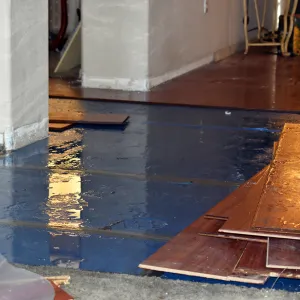
When it comes time to sell a home, first impressions and structural integrity are everything. One of the most significant threats to both is water damage, which can severely affect a property’s resale value. Whether it’s from a slow leak, a burst pipe, or flooding, water intrusion leaves behind issues that are both costly to repair and alarming to potential buyers.
How Water Damage Devalues a Home
Even minor signs of water damage can immediately raise red flags for buyers. Stains on ceilings, warped flooring, or the smell of mildew suggest hidden problems beneath the surface. Prospective buyers often assume the worst, structural damage, mold infestations, or electrical hazards, and may walk away or demand a steep discount.
Studies show that homes with visible water issues can lose up to 20% of their resale value. In competitive real estate markets, this difference can mean thousands of dollars left on the table. Even if a property eventually sells, buyers typically negotiate for lower prices to offset the risk of future repairs.
The Hidden Costs Buyers Consider
Beyond what can be seen, water damage carries hidden risks that savvy buyers and inspectors will not overlook. Persistent moisture can weaken foundations, rot wood framing, and corrode plumbing or wiring.
Mold growth is another major concern, as it not only damages property but also poses health risks. When these issues are discovered during an inspection, deals often fall apart or require sellers to make costly repairs before closing. Buyers want confidence that a home is safe and stable, and unresolved water issues compromise that trust.
Long-Term Effects on Home Value
The effects of water damage don’t disappear even after repairs are made. Buyers today are more informed than ever, with access to home history reports and disclosure documents. If a property has a record of flooding or past water-related insurance claims, future buyers may still hesitate.
This means that homeowners must do more than just patch the problem—they need to invest in professional restoration that addresses the root cause, prevents recurrence, and documents the repairs thoroughly. A home that has been repaired properly, with certifications and warranties, stands a much better chance of regaining lost value.
Prevention Is the Best Investment
Preventing water damage before it occurs is one of the most effective ways to protect a home’s resale value. Regular maintenance, such as inspecting roofs, gutters, and plumbing, goes a long way toward reducing risk. Installing sump pumps, backflow preventers, or smart leak detection systems can also provide peace of mind for both current homeowners and future buyers.
For homes in flood-prone areas, additional investments like proper grading, drainage systems, or even floodproofing can significantly reduce the chances of serious damage. These proactive steps not only help avoid costly repairs but also make a home more attractive on the market.
Protecting Your Investment with Professional Help
When water intrusion does occur, homeowners should never delay professional restoration. Time is critical, as mold can begin to grow within 24-48 hours of water exposure. Certified water damage specialists can dry out the property, repair structural issues, and document the process in a way that reassures potential buyers later on.
Attempting to cover up or DIY major water damage repairs can backfire, as home inspections will uncover improper fixes. By choosing experienced professionals, sellers demonstrate responsibility and provide proof that the home has been properly restored.
Safeguard Resale Value by Addressing Water Damage Early
The resale value of a home is directly tied to its condition, and water damage is one of the fastest ways to diminish that value. From cosmetic concerns to long-term structural and health risks, water intrusion creates hesitation and lost confidence in buyers.
Homeowners who take preventive measures, respond quickly to damage, and invest in proper restoration can preserve not only their property’s integrity but also its marketability. Protecting against water damage isn’t just about safeguarding your home today, it’s about ensuring maximum resale value for the future.
Leave a Reply